


To live like a local in Dubai, travel by Metro and abra, spend your mornings in the creek-side districts and your afternoons in the galleries of Al Quoz, and plan around the rhythm of the local week. Dress modestly in public places and respect the rules of Ramadan.
This guide covers the habits that make a stay feel like home, from getting around to etiquette and renting. The details were checked on 1 November 2026, and they can change, so confirm hours and rules before you go.
Quick picks: how to do Dubai like a resident
| If you want | Do as locals do |
|---|---|
| To move around the city easily | Take the Metro with a nol card |
| A crossing with character | Ride an abra across Dubai Creek |
| A slow stroll with the old city behind you | Walk Al Seef and Al Fahidi |
| Contemporary art away from the towers | Visit Alserkal Avenue in Al Quoz |
| To avoid a social mistake | Follow the dress and Ramadan etiquette below |
| A home for a few months or years | Rent through a registered tenancy contract (Ejari) |
1. Get around the way residents do
Dubai Metro is the simplest way to cross the city without a car. You pay with a nol card, the RTA travel card, which also works on the tram, the buses, the abra and RTA taxis. You can buy one at Metro stations, from vending machines on the platforms, or through the RTA website and the nol Pay app.
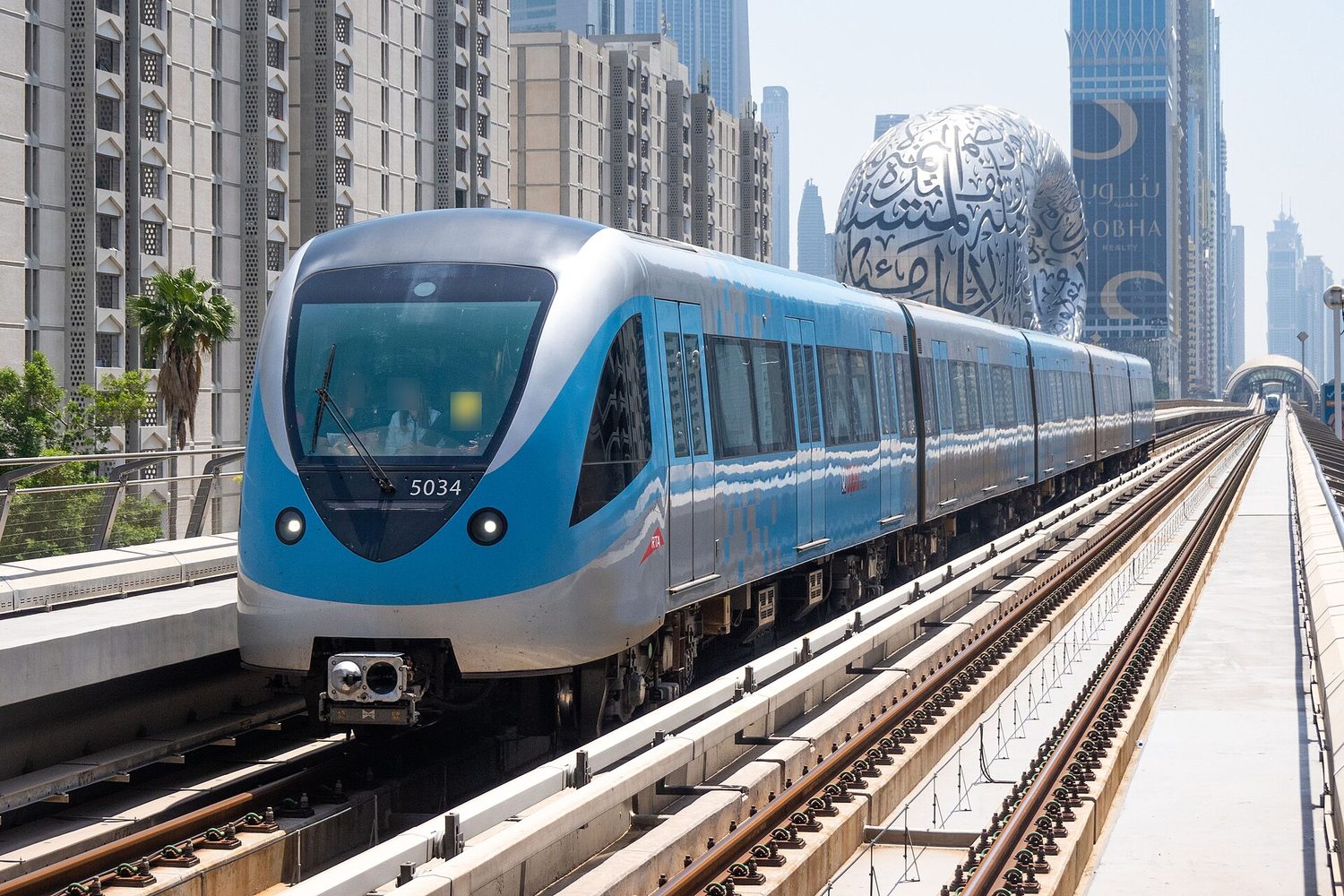
Moving between the Metro, the tram and a bus within the same zone generally counts as one journey, as long as you change within 30 minutes. Eating and drinking are not allowed on the Metro or on RTA buses.
- Best for: getting around without traffic or parking.
- Good to know: fares change, so check the RTA website before you travel. For airport runs, late nights or a day of meetings, a private driver is easier.
2. Spend a morning on the creek side
The creek-side districts are where Dubai feels least like a new city. Al Fahidi Historical Neighbourhood is a quiet quarter of wind-tower houses, galleries and cafes. Next to it, Al Seef is a promenade of about 1.8 km on the Bur Dubai side of the Creek, opened in 2017, with shops and restaurants built to echo the old trading market.
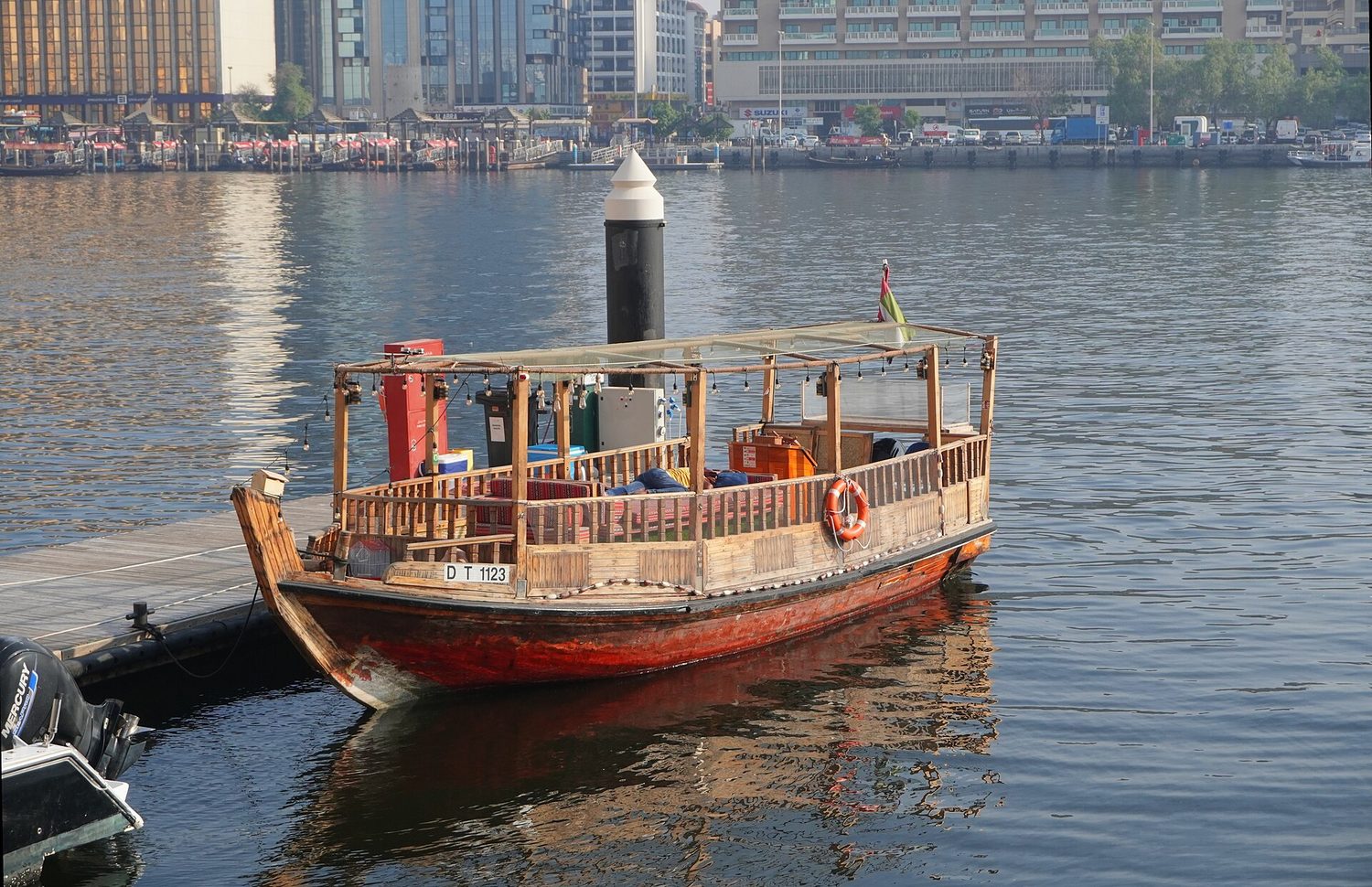
From here, cross the water the local way. The abra, the traditional wooden boat, links the two banks in a few minutes and accepts the nol card. On the far side you reach the Deira souks.
- Best for: a slow morning or a late afternoon on foot.
- Good to know: the promenade is free to enter, and the heat peaks at midday outside the cooler season, so start early. For the classic sights, see our Top 10 things to do in Dubai.
3. Spend an afternoon in Al Quoz
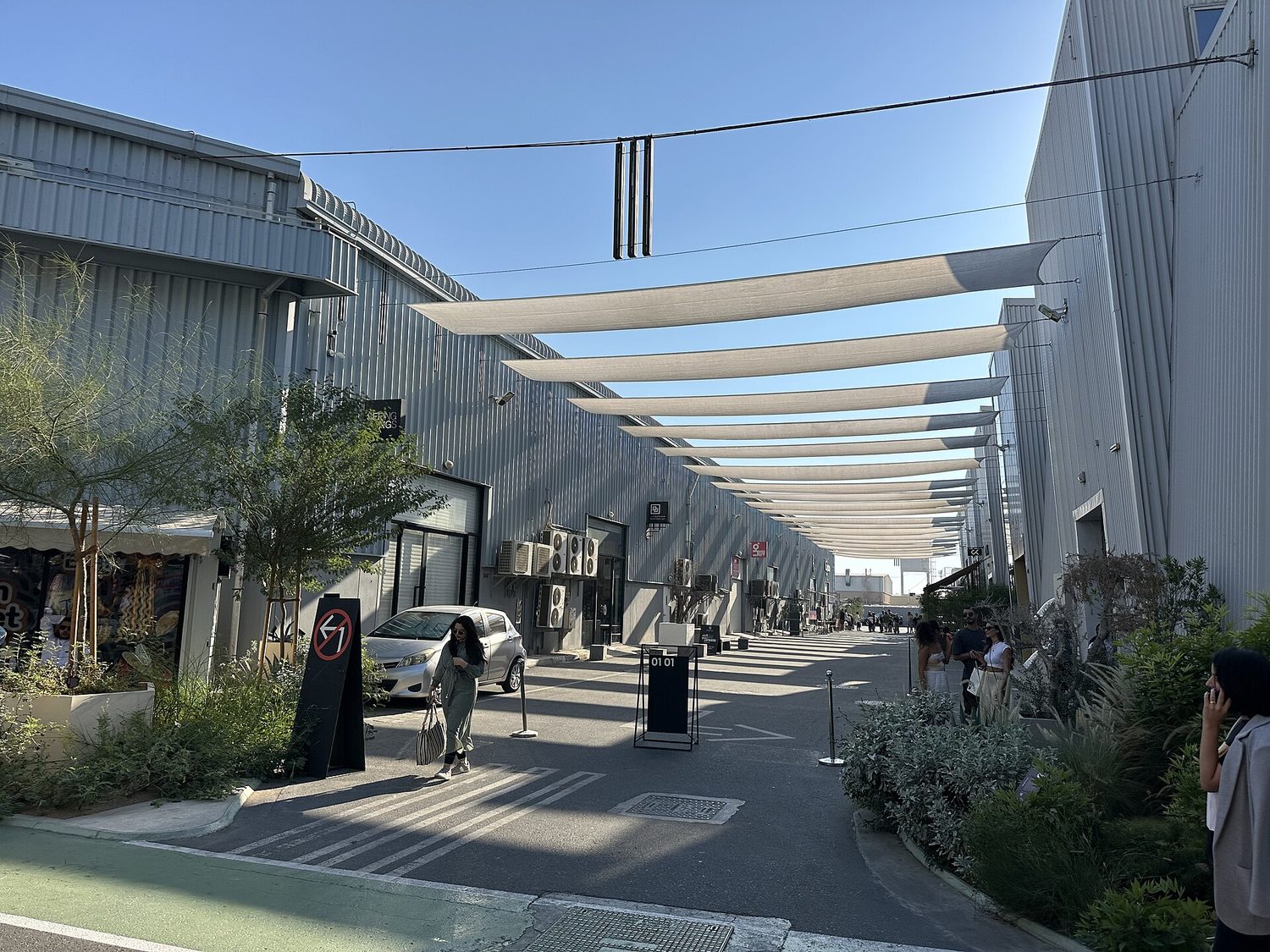
Away from the towers, Alserkal Avenue is the arts district of Dubai. Galleries, studios and cafes occupy converted warehouses in Al Quoz, and the programme of exhibitions and events changes through the season.
- Best for: design, art and a long, unhurried afternoon.
- Good to know: opening days and hours differ from one gallery to the next, so check the official Alserkal Avenue page before you go. A taxi or a private driver is the easiest way to reach it.
4. Learn the rhythm of the local week
Since 1 January 2022, Dubai government departments work Monday to Thursday, and Friday is a short day that ends at noon, so the weekend runs from Friday afternoon to Sunday. Private companies set their own schedules, so check with the venue.
For a visitor, this means Friday midday is quiet at government offices and busy at restaurants, and Saturday and Sunday are the days when families go out. Book the tables and the experiences you care about ahead on those days. For the best tables, see our guide to the best rooftop restaurants in Dubai.
5. Respect local customs and etiquette
Dubai is a cosmopolitan city, and its culture asks for courtesy in public.
- Dress: there is no strict dress code for visitors, but modesty is expected in public places. Covering the shoulders and knees is the usual guidance in malls, restaurants and government buildings, and religious sites ask for full modest dress.
- Ramadan: you are not expected to fast, but avoid eating, drinking and smoking in public during daylight. Business hours are shorter, and the dates move earlier each year, so check them before you travel.
- Public behaviour: keep your voice and your gestures calm, and ask before you photograph people.
If you are unsure about a place or an occasion, ask your hotel or your concierge before you go.
6. If you are staying for months, rent the right way
A longer stay changes the questions. Start with your area, the amenities you need, your budget and the length of the stay, then work from a shortlist and visit the homes in person.
In Dubai, a residential tenancy contract is registered through Ejari, the system run under the Dubai Land Department. The landlord is responsible for it, and in practice the tenant often completes it. The registered contract is also used for other steps, such as a residency visa, so keep it safe.
When to go and how to plan
Late October to early May is the comfortable season, with mild days for the creek, the galleries and the beach. From June to September the heat pushes plans indoors or to the evening.
How VIP TOV Dubai can help
We turn these habits into a plan for your stay, with one dedicated concierge who knows the city.
- Visiting or settling in? Our Majlis formula gives you one concierge for your whole stay, with relocation and long-term housing, school search, residency and Golden Visa paperwork, chauffeurs and everyday requests.
- A single request? A private driver, a table or a private dinner is a Gahwa: quoted once, no membership needed.
Plan my stay in Dubai or make a single request. See also what we arrange.
Frequently asked questions
How do I live like a local in Dubai?
Travel by Metro and abra with a nol card, spend time in the creek-side districts and in Al Quoz, plan around the local week, dress modestly in public places and respect the rules of Ramadan.
How do I get around Dubai without a car?
Use Dubai Metro with a nol card. The same card works on the tram, the buses, the abra and RTA taxis. Eating and drinking are not allowed on the Metro or on RTA buses.
What local customs should visitors respect in Dubai?
Dress modestly in public places, with shoulders and knees covered in malls and restaurants, and avoid eating, drinking and smoking in public during daylight in Ramadan. Ask before you photograph people.
What is the weekend in Dubai?
Since 1 January 2022, Dubai government departments work Monday to Thursday, with a short Friday ending at noon, so the weekend runs from Friday afternoon to Sunday. Private companies set their own schedules.
What is Ejari in Dubai?
Ejari is the system used to register residential tenancy contracts in Dubai, run under the Dubai Land Department. The registered contract is also used for other steps, such as a residency visa.
Can VIP TOV Dubai help me settle in Dubai?
Yes. We help with relocation and long-term housing, school search, residency and Golden Visa paperwork, chauffeurs and everyday requests, with one dedicated concierge. A single request is welcome too. Tell us your dates.
Sources
The nol card and the public transport rules come from the Gulf News nol card guide and the Invest in Dubai transport guide. The working week is described by WAM, and the etiquette and Ramadan guidance by Khaleej Times. Al Seef is covered by Wikipedia, and Ejari by the Dubai Land Department tenancy guide. Rules and hours may change, so confirm them with each source.
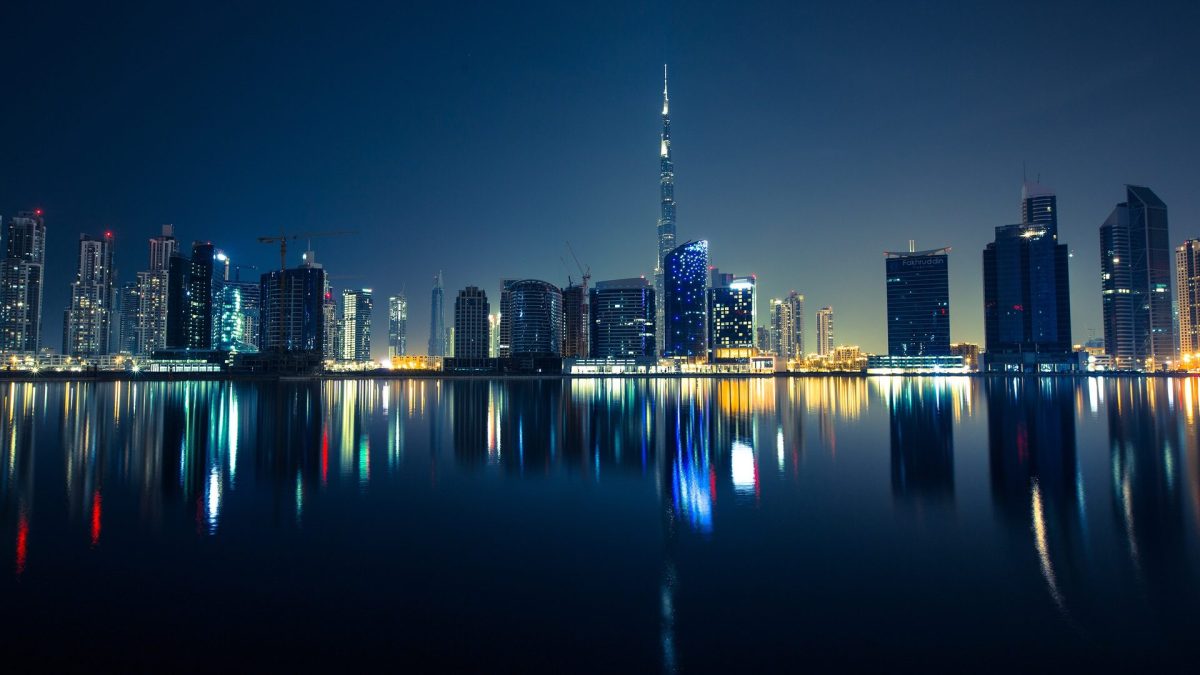
Banner image: Leakingh, CC BY-SA 4.0, via Wikimedia Commons.
- Move like a resident: Dubai Metro, the tram, buses and the abra all work with one nol card.
- Where locals slow down: the creek-side districts of Al Fahidi and Al Seef in the morning, and the galleries of Alserkal Avenue in Al Quoz in the afternoon.
- The local week: government offices work Monday to Thursday with a short Friday, so the weekend runs from Friday afternoon to Sunday.
- Customs: dress modestly in public places, avoid eating, drinking and smoking in public during daylight in Ramadan, and ask before photographing people.
- With a concierge: housing, school search, residency paperwork, chauffeurs and everyday requests handled through one dedicated contact.